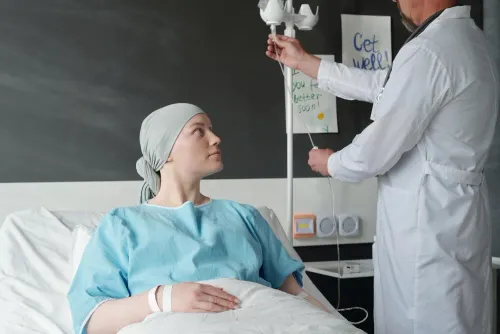

Choosing cancer care requires more than identifying a hospital or asking which drug is newest. You need to understand how diagnosis, staging, pathology, treatment selection, monitoring, symptom control, and follow-up fit together so you can arrive prepared and evaluate the plan with confidence.
Key takeaways
- Bring pathology reports, scans, biopsy details, medication lists, and prior treatment records.
- Ask how cancer type, stage, biomarkers, health, and treatment goals shape the plan.
- Request a written schedule for treatment, monitoring, side-effect care, and follow-up.
- Confirm which specialists coordinate your care and whom to contact between visits.
What an oncology care pathway includes from consultation to follow-up
After the first oncology appointment, the provider coordinates confirmation of the diagnosis, treatment planning, safe delivery, symptom control, and follow-up. Restora Oncocare is a provider label, not a cancer classification; the pathway depends on the cancer’s site, histology, stage, biomarkers, overall health, and treatment goals.
Your pathway commonly includes:
- Consultation: review your symptoms, biopsy diagnosis, scans, blood tests, medicines, allergies, organ function, and treatment priorities.
- Diagnostic review: confirm the pathology, stage, grade, and required molecular or biomarker tests. The team may request the original biopsy slides, tissue block, or additional imaging.
- Team planning: coordinate medical oncology, radiation oncology, surgical oncology, hematology, radiology, pathology, primary care, and other services when their expertise is needed.
- Treatment preparation: explain the proposed sequence, benefits, risks, appointments, consent, and monitoring. Planning can include surgery, radiation, systemic treatment, observation, or a clinical trial.
- Treatment delivery: check blood counts and organ function, manage medication interactions, and provide nutrition, pain, infection-risk, fertility, rehabilitation, or emotional support.
- Follow-up: assess response through examinations, blood tests, scans, and side-effect reviews, then adjust treatment or plan surveillance.
Contact the oncology team urgently for a fever during chemotherapy, uncontrolled bleeding, sudden confusion, new weakness, or severe breathing difficulty. Palliative care can begin alongside anticancer treatment to manage pain, nausea, breathlessness, fatigue, or distress. Keep a written Cancer Care plan with appointments, medicines, emergency numbers, and the next review date.
Which cancer specialists you may meet and what records to bring
The specialists differ by the treatment they deliver and the problems they manage. Surgery and radiation treat defined areas; medical oncology and hematology use medicines that circulate through the body. Palliative care and rehabilitation address symptoms, function, and quality of life alongside treatment, not only after it ends.
| Specialist | Main focus | Treatment role |
|---|---|---|
| Surgical oncologist | Tumour removal and tissue sampling | Local treatment, staging, and operation planning |
| Radiation oncologist | Tumours in a specific body area | Radiation for cure, control, or symptom relief |
| Medical oncologist | Solid-tumour drug treatment | Chemotherapy, endocrine, targeted, and immunotherapy |
| Hematologist-oncologist | Blood cancers and blood disorders | Drug treatment, transfusion planning, and marrow-related care |
| Palliative care clinician | Pain, nausea, breathlessness, fatigue, and distress | Symptom control at any stage, alongside anticancer treatment |
| Rehabilitation and supportive-care teams | Nutrition, movement, speech, emotional, and practical needs | Recovery, treatment tolerance, and daily function |
Bring records that let the team verify the diagnosis, stage, biomarkers, organ function, and treatments already given:
- Pathology report, plus biopsy slides or the paraffin tissue block if available
- CT, MRI, PET-CT, ultrasound, or bone-scan reports and the actual image discs or digital files
- Blood-test results, including blood counts, kidney and liver tests
- Molecular or biomarker reports, such as hormone-receptor, HER2, EGFR, or other cancer-specific results
- Medication and allergy list, medical history, prior treatment notes, discharge summaries, and radiation records
- Your questions, treatment goals, and details of symptoms affecting daily activities
These documents help Oncology Services coordinate safer, more personalised Cancer Care and make a second opinion more useful.
How doctors choose a treatment combination and document the plan
Doctors choose a Cancer Treatment combination from the cancer’s site, histology, grade, TNM stage, biomarker results, and spread. They also assess organ function, other illnesses, current medicines, performance status, and your goals: cure, long-term control, symptom relief, or comfort.
| Option | What it does | When it may fit |
|---|---|---|
| Surgery | Removes a tumour or affected tissue | Localised disease that can be safely removed |
| Radiation therapy | Treats a defined area with high-energy radiation | Local control, symptom relief, or treatment before or after surgery |
| Systemic therapy | Travels through the bloodstream; includes chemotherapy, endocrine therapy, targeted therapy, and immunotherapy | Cancer with distant spread or a high risk of hidden disease |
| Observation | Uses scheduled examinations, scans, or tests without immediate treatment | Slow-growing, low-risk disease or when treatment harms outweigh benefits |
| Clinical trial | Tests a defined treatment or treatment combination under a research protocol | Eligibility matches the study’s cancer type, stage, biomarkers, and health requirements |
Biomarkers can open or close treatment options. A hormone receptor, HER2, EGFR, or other molecular result may support targeted or endocrine therapy, while a result showing no relevant target may direct the team elsewhere. Metastatic cancer often needs systemic therapy, although surgery or radiation can still control a selected tumour or painful site.
The written plan should name the diagnosis, stage, biomarkers, treatment intent, sequence, drug names and doses, radiation site and fractions, surgery, monitoring tests, expected benefits, major risks, alternatives, trial options, and what happens if you decline treatment. Oncology Services should also record supportive care, warning symptoms, response measures, and the date for reassessment.
How immunotherapy differs from chemotherapy and targeted therapy
Immunotherapy helps your immune system recognise and attack cancer. Chemotherapy uses drugs that damage rapidly dividing cells, while targeted therapy blocks a specific protein or genetic change that helps a tumour grow. Targeted treatment requires a matching biomarker; immunotherapy eligibility depends on cancer type, biomarker results, organ function, autoimmune conditions, infection risk, and current medicines.
Before starting, confirm these points with your oncology team:
- Which test supports immunotherapy, and what does a negative result mean for your options?
- How many infusions are planned, how far apart are they, and which blood tests must be completed before each visit?
- What benefit will be measured: tumour shrinkage, longer control, or symptom relief?
- Which risks, alternatives, and treatment goals apply if you choose to delay or decline treatment?
Immunotherapy is not always judged like chemotherapy. Early scans can show inflammation or apparent tumour growth before later improvement, so your team may repeat imaging to confirm progression instead of stopping after one scan. Do not change the schedule without advice.
Contact the care team urgently for a fever of 38°C or higher, severe diarrhoea, persistent vomiting, yellow skin, a new rash with swelling, or unusual weakness. Seek emergency care for severe breathing difficulty, sudden confusion, a new weakness or speech problem, or uncontrolled bleeding.
Prompt Cancer Care helps the team treat immune-related complications before they become dangerous during Cancer Treatment.
How to assess coordinated cancer care before starting treatment
Before consenting to treatment, ask who owns each decision and how information moves between medical oncology, surgery, radiation, pathology, imaging, and your primary doctor. If you are comparing Restora Oncocare with another provider, request a written treatment plan, named contacts, response-monitoring schedule, emergency number, and follow-up timetable.
Ask these questions:
- Has a second specialist reviewed the pathology, stage, biomarker results, scans, and proposed treatment?
- Which clinical trials match my cancer, and is this a phase I safety-and-dose study, phase II activity study, or phase III comparison with usual treatment?
- Who checks drug interactions, kidney and liver function, infection risk, nutrition, pain, fertility, sexual health, and emotional wellbeing?
- What happens after treatment ends, and who orders scans, blood tests, rehabilitation, and surveillance?
- Which symptoms require immediate contact or emergency care, including fever during chemotherapy, severe breathing difficulty, new weakness, uncontrolled bleeding, or sudden confusion?
| Option | What to confirm | Warning sign |
|---|---|---|
| Oncology service | One shared record, coordinated appointments, named care coordinator, and written escalation instructions | You must repeat your history to every department |
| Second opinion | Review of diagnosis, stage, biomarkers, treatment alternatives, major-procedure risks, and trial eligibility | The service refuses to share reports or explain its reasoning |
| Clinical trial | Eligibility, extra visits, costs, placebo or control treatment, withdrawal rights, and phase-specific purpose | Trial participation is presented as your only option |
| Support and follow-up | Nutrition, physiotherapy, palliative care, symptom control, monitoring, and a documented survivorship plan | Follow-up is described only as “return if needed” |
Ask Dr Avinash Talele-Best cancer specialist to identify which team member handles each concern before treatment starts. A coordinated Cancer Care plan is measurable: you know what happens, who acts, and when you receive an answer.
Related services
Immunotherapy Immunotherapy 36 years old female presented with severe abdominal pain with jaundice with weakness being wheelchair bound.Her PETCT showed multiple liver... |
Oncology Nutrition The body needs to be adequately nourished to ensure it is able to go through the cancer treatment. View service → |
Frequently asked questions
What does an oncology care pathway include?
It includes diagnosis confirmation, staging and biomarker testing, treatment planning, safe treatment delivery, symptom control, supportive care, and follow-up.
Which cancer specialists might I meet?
Your team may include a medical oncologist, surgical oncologist, radiation oncologist, pathologist, radiologist, oncology nurse, pharmacist, dietitian, and palliative care specialist.
What records should I bring to an oncology appointment?
Bring pathology and biopsy reports, scan images and reports, blood-test results, discharge summaries, medication and allergy lists, prior treatment records, and questions from your family.
How do immunotherapy, chemotherapy, and targeted therapy differ?
Chemotherapy attacks rapidly dividing cells, immunotherapy helps the immune system recognise or attack cancer, and targeted therapy acts on specific molecular changes identified through testing.
How can I assess coordinated cancer care before treatment?
Ask who leads your care, how specialists share records, who manages side effects, how urgent problems are handled, and when you will receive a written treatment plan.
Related services
Targeted Therapy Attacking cancer cells more effectively with drugs, targeted therapy has has been found to be highly effective. View service → |
Physiotherapy Physiotherapy Our oncology-trained physiotherapists ensure physical fitness of patients during treatment, and post-treatment rehabilitation and help combat some... |
Chemotherapy Chemotherapy Chemotherapy is a group of drugs or medicines used to treat cancer. |
Palliative Chemotherapy In the last stages of cancer when other treatment modalities are unsuccessful, we strive to provide a decent, pain-free quality of life with... View service → |
Keywords