
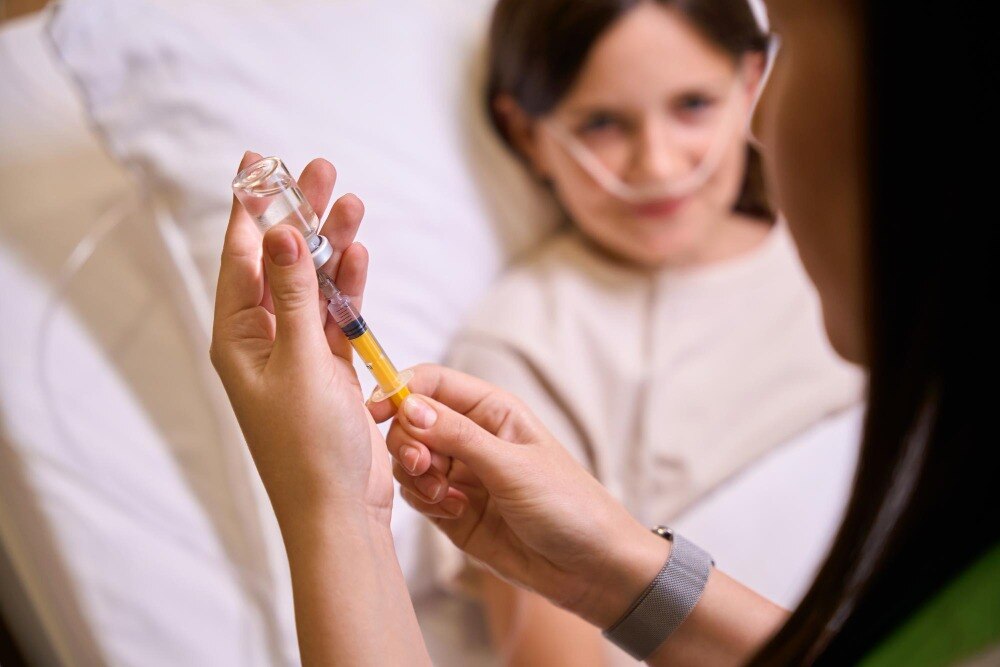
A day-care chemotherapy visit can replace an overnight hospital stay, but it still involves clinical checks, preparation, infusion time and observation. By understanding the visit from registration through discharge, you can plan transport, work, meals, home support and follow-up without assuming that every appointment will take the same amount of time.
Key takeaways
- Bring your medication list, treatment records and emergency contact details.
- Plan for assessment, blood tests and infusion time before booking other appointments.
- Arrange transport if treatment causes fatigue, dizziness or other symptoms.
- Call your oncology team promptly about fever, breathing trouble or worsening symptoms.
What happens during a day-care chemotherapy visit?
A day-care chemotherapy visit takes place in an outpatient infusion unit, with assessment and treatment completed without an overnight stay. The day-care chemotherapy process usually follows these steps:
1. Check in and complete chemotherapy registration. Staff confirm your identity, treatment plan, appointment details and contact information.
2. Have chemotherapy blood tests, often including a complete blood count and kidney and liver function tests. Results help the clinician decide whether to treat, adjust the dose or delay treatment.
3. Meet the oncologist or treatment team for a symptom check, examination and review of medicines, allergies and previous reactions. Tell them about fever, infection symptoms, vomiting or new side effects.
4. Receive a cannula in your arm or access to an implanted port. Nurses check the line before giving fluids or medicines.
5. Receive premedication, such as anti-nausea treatment or medicines intended to reduce an infusion reaction. Hydration may also be given.
6. Receive the chemotherapy through the line while nurses monitor you. Multiple drugs, dose checks and infusion reactions can extend the visit.
7. Stay for observation after treatment. The team then removes the cannula, or secures the port if it remains in use, and gives written instructions before discharge.
Some patients leave with a portable pump delivering chemotherapy through a central line. Before leaving, learn how to respond to alarms, protect the line, manage leakage and contact the treatment centre; the pump still requires supervision. Side effects can begin after you get home, so keep the emergency contact number and follow the provided advice.
How long will you be at the centre?
A 30-minute infusion can still become a several-hour visit because the chemotherapy appointment duration includes safety checks before and after the drug itself. Blood tests must be processed, a clinician must review your results, and the pharmacy may need time to prepare and verify the dose.
| Stage | What adds time | Why it matters |
|---|---|---|
| Blood tests and review | Laboratory processing and clinician assessment | Low blood counts, infection, or kidney and liver results can delay or change treatment |
| Cannula or port access | Finding a vein, checking a port, or managing difficult access | Treatment cannot start until safe intravenous access is confirmed |
| Premedication before chemotherapy | Steroids, antihistamines, anti-sickness medicine, or fluids | These medicines reduce nausea and the risk of an infusion reaction but require extra administration time |
| Drug preparation and infusion | Pharmacy dose checks, multiple medicines, or slow infusion rates | Some drugs need controlled rates and separate flushing between medicines |
| Observation after treatment | Monitoring for symptoms before discharge | A chemotherapy infusion reaction can require urgent treatment and longer observation |
Chemotherapy waiting time is often caused by test results, dose approval, or pharmacy preparation rather than the infusion. Ask the centre for an estimated arrival-to-discharge time, not only the drug’s infusion time.
You may also feel drowsy, dizzy, or fatigued after premedication. Arrange transport if your team advises it; finishing treatment the same day does not always make driving home safe.
What should you arrange before each treatment day?
Confirm the appointment time and ask whether blood tests must be completed before arrival. Results can delay or cancel treatment, so plan for the visit to take most of the day, even when the infusion is short.
1. Use a chemotherapy preparation checklist: bring your medication list, allergy details, treatment documents, phone charger, water bottle and any prescribed medicines you may need during the visit.
2. Ask what to eat before chemotherapy. A light meal and regular fluids suit many patients, but follow specific instructions if your regimen requires fasting or limits fluids. Avoid trying unfamiliar supplements unless your oncology team approves them.
3. Arrange chemotherapy transport before treatment day. Do not drive yourself if you will receive sedating premedication, feel dizzy or tired, or have had infusion reactions. Ask whether someone must stay with you during the return journey.
4. Choose a chemotherapy caregiver who can listen to instructions, help you walk if needed and notice confusion, weakness or breathing trouble. Give them the centre’s telephone number and your written emergency instructions.
5. Wear loose clothing that allows easy access to a port or arm, and bring a layer because infusion rooms can feel cold. Do not apply cream over the access site unless the centre tells you to.
6. If a portable pump is planned, learn how to respond to alarms, protect the line, identify leakage and arrange the later disconnection visit. Ask who to call at any hour.
Keep the centre’s fever threshold and emergency number visible at home. Many services use 38°C (100.4°F) as the immediate-call threshold, but follow your team’s written instruction.
Who is suitable for day-care chemotherapy?
Outpatient chemotherapy suitability depends on whether the planned treatment can be given safely, monitored, and completed without an overnight admission. Day-care chemotherapy eligibility is decided for each cycle, not granted permanently.
- Regimen: A short infusion or injection with predictable reactions suits outpatient care. A regimen needing prolonged hydration, intensive monitoring, a long infusion, or treatment for a previous severe reaction may require admission.
- Chemotherapy blood counts: Low neutrophils, low platelets, or significant anaemia can lead to a delay, dose change, or different treatment plan. An infection also needs attention before treatment.
- Kidney and liver function chemotherapy checks: Abnormal creatinine, bilirubin, or liver enzyme results can make a drug unsafe at its planned dose. The team may adjust or postpone it.
- Medical history and support: Heart or lung disease, uncontrolled symptoms, previous infusion reactions, frailty, or difficulty managing a line can change the decision. You also need reliable transport, someone to stay with you when advised, and rapid access to medical help.
A same-day appointment is not automatically low risk. Some patients leave with a portable pump still delivering medicine; they need instructions for alarms, leakage, line care, and disconnection.
Ask Dr Avinash Talele-Best cancer specialist to explain your outpatient chemotherapy suitability, including which result or symptom would postpone treatment and whom to contact after you return home. Never drive yourself if medication, fatigue, dizziness, or a possible reaction could impair you.
Related service
Chemotherapy Chemotherapy Chemotherapy is a group of drugs or medicines used to treat cancer. |
What should you do after leaving the centre?
Before leaving, make sure you have written instructions for after chemotherapy care, including your medicines, fluid and food guidance, activity limits, and the chemotherapy emergency contact. Ask when to call during nights or weekends, and when to go directly to an emergency department.
Take your temperature if you feel unwell. A chemotherapy fever 38°C or higher is an emergency for many treatment plans because chemotherapy can reduce your ability to fight infection; follow the threshold given by your cancer team.
Do not take paracetamol to hide a fever before calling unless your team has told you to do so.
Contact your treatment centre urgently for:
- Breathlessness, chest discomfort, wheezing, facial swelling, or a rapidly spreading rash
- Repeated vomiting, inability to keep fluids down, or uncontrolled diarrhoea
- Confusion, fainting, severe weakness, or severe pain
- Unusual bleeding, black stools, or blood in vomit
- Redness, swelling, pain, leakage, or a damaged line or port dressing
Chemotherapy side effects at home can include tiredness, nausea, mouth soreness, constipation, or diarrhoea. Use only the medicines and doses prescribed for you, and report symptoms that worsen or stop you eating, drinking, sleeping, or walking safely.
If you leave with a portable pump, check its alarm instructions and protect the tubing from pulling or kinking. Do not disconnect it yourself; call the chemotherapy emergency contact for an alarm, leak, or loose connection. Arrange the instructed return visit for pump removal.
Frequently asked questions
What happens during a day-care chemotherapy visit?
You check in, complete a clinical assessment and any required blood tests, meet the oncology team, and receive chemotherapy in an outpatient infusion unit. Staff monitor you during treatment and provide instructions before discharge.
How long will I be at the centre?
Your visit includes registration, assessment, test review, medicine preparation, the infusion itself and observation afterward. The total time depends on your treatment plan, so ask your care team for an estimate before booking other commitments.
What should you arrange before each treatment day?
Confirm the appointment, follow instructions about food and medicines, prepare a current medication list, and arrange transport or support if you expect fatigue or other side effects. Keep your oncology team’s contact number accessible.
Who is suitable for day-care chemotherapy?
Day-care chemotherapy is suitable when your planned treatment can be given safely in an outpatient setting and you do not need overnight monitoring. Your oncologist decides based on the drugs, dose, infusion time, health status and support available at home.
What should you do after leaving the centre?
Follow the written medicine and activity instructions, rest, drink fluids if your care team permits, monitor for side effects, and contact the oncology team using the provided number when symptoms concern you. Seek urgent medical help for severe or rapidly worsening symptoms.