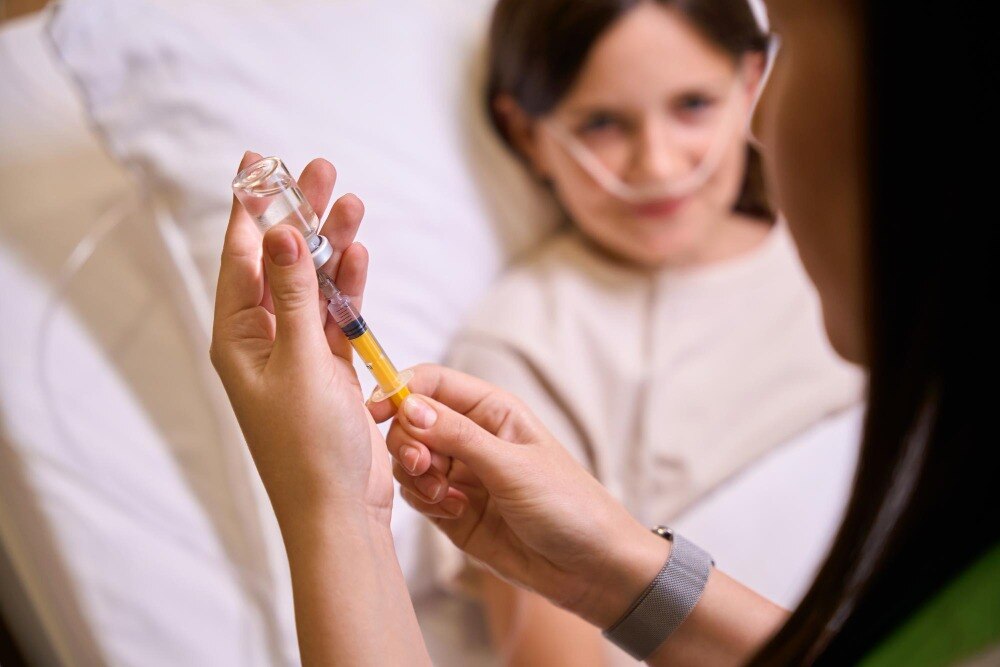

A chemotherapy quote can cover only the anticancer drug while leaving administration, testing, supportive medicines, and complication care outside the estimate. By separating these charges and checking how dose, treatment length, insurance, and vial use are calculated, you can compare estimates and ask more useful questions before treatment begins.
Key takeaways
- Ask whether the plan has a fixed number of cycles or continues until progression.
- Request separate costs for drugs, administration, tests, supportive medicines, and emergency care.
- Compare oral and IV treatment by total course cost, not medicine price alone.
- Confirm which side effects and complications are included in the estimate.
Why the treatment plan sets the starting cost
A chemotherapy estimate starts with the cancer type, stage, and treatment intent. A plan aimed at cure or reducing recurrence usually follows a defined course, while treatment for advanced disease may continue until the cancer progresses or side effects become unacceptable. Those different endpoints change how many visits and treatment cycles you will pay for.
The main plan-based cost drivers are:
- Drug selection and dose: The medicines chosen for your cancer determine the base price. Dose calculations use body weight, body-surface area, kidney function, or other clinical measures, so two patients receiving the same regimen may receive different quantities.
- Regimen: A single medicine usually costs less to administer than a combination regimen. Each additional drug can add pharmacy preparation, infusion time, monitoring, and supportive treatment.
- Treatment length: Six cycles given every two or three weeks create a different estimate from treatment given every week or continued for many months.
- Administration setting: A short outpatient infusion and a prolonged hospital-based infusion carry different nursing, chair, bed, and observation charges.
The first estimate should therefore show the planned number of cycles, interval between cycles, dose basis, and expected duration. Ask whether it includes routine anti-nausea medicines, hydration, blood-count support, oncologist visits, and laboratory monitoring; otherwise the quoted drug cost is not the likely course cost.
Why the drug price is only part of the bill
The chemotherapy drug price versus total bill comparison can be wide: the vial pays for the medicine, not the work and facilities needed to deliver it safely. A day-care administration bill may include:
- Oncologist consultation and treatment review
- Laboratory tests required before the dose
- Pharmacy handling, dose calculation, preparation, and safe disposal
- Cannulation or port access and flushing
- Nursing time, monitoring, and observation
- Chair or bed charges
- Anti-nausea medicines, steroids, and hydration fluids
A hospital outpatient department may add a facility charge alongside the drug, doctor, and nursing fees. A physician’s office or standalone infusion centre may use a different billing structure for the same regimen, so ask for each component rather than accepting one combined figure.
Inpatient treatment costs more because you pay for a hospital bed, room services, regular nursing, daily doctor reviews, meals, and additional tests for every admitted day. A complication such as fever with neutropenia can turn planned day-care administration into inpatient treatment, adding emergency assessment, intravenous antibiotics, cultures, and prolonged monitoring.
The bill can also include growth-factor injections, transfusions, pain medicines, or antibiotics given after treatment. Travel, parking, lodging, childcare, and lost wages sit outside the medical invoice but still affect what the course costs you. Ask whether the estimate covers only the infusion visit or the complete cycle of care.
How tests, supportive medicines, and complications add cost
Blood counts and kidney and liver function tests are repeated during treatment to decide whether the next dose is safe. Imaging can add expense when doctors assess response, investigate new symptoms, or plan a change in treatment.
Biopsy and biomarker testing can raise the initial bill, but the result may prevent spending on a drug unlikely to work.
| Cost source | What can add cost | Why it appears |
|---|---|---|
| Routine monitoring | Blood counts, kidney and liver function tests, oncologist reviews, port care, and imaging | To check safety, treatment response, or new symptoms |
| Supportive treatment | Antiemetics, steroids, hydration, pain medicines, transfusions, antibiotics, and growth-factor injections | To prevent or treat nausea, dehydration, pain, infection, or low blood counts |
| Treatment changes | Dose reduction, delayed cycles, extra visits, or additional laboratory tests | Low blood counts, kidney or liver dysfunction, neuropathy, or another toxicity changes the plan |
| Acute complications | Emergency assessment, hospital admission, intravenous antibiotics, oxygen, or intensive monitoring | Fever with neutropenia or another serious reaction turns outpatient care into hospital treatment |
Supportive medicines can be needed before, during, or after an infusion, so they may appear on several bills rather than one. A growth-factor injection or transfusion can cost more than routine symptom treatment.
A fever during chemotherapy needs urgent medical advice. Febrile neutropenia can require emergency tests, broad-spectrum antibiotics, and hospitalisation, adding costs that were absent from the original estimate. Severe vomiting, dehydration, allergic reactions, bleeding, or uncontrolled pain can create similar unplanned expenses.
How oral drugs, IV treatment, and medicine choices affect what you pay
An oral chemotherapy prescription may avoid chair, cannulation, and infusion fees, but it does not eliminate monitoring. You still pay for dispensing, oncology visits, blood tests, dose changes, and management of side effects. Intravenous chemotherapy adds drug preparation, administration, port or cannula access, nursing, and observation charges at each visit.
| Option | Dispensing and monitoring | Insurance and cost effect |
|---|---|---|
| Oral chemotherapy | Filled by a hospital, retail, or specialty pharmacy; you take doses at home but return for blood tests and reviews. | Usually processed through a pharmacy benefit, with its own deductible, coinsurance, specialty-tier rules, and prior authorization. |
| Intravenous chemotherapy | Prepared by a facility pharmacy and administered in a day-care unit or hospital; laboratory checks occur before treatment. | Usually processed through a medical benefit, which may cover administration separately from the drug. |
| Generic drugs and branded drugs | The active medicine is the same for an approved generic; a branded product is sold under its manufacturer’s name. | The lower-priced option is not always cheaper for you because formulary placement and coinsurance decide your share. |
| Biosimilar or imported medicine | A biosimilar is highly similar to its reference biologic, with no expected clinically meaningful safety or effectiveness difference. Imported products require checks on supply and approval. | Coverage, substitution rules, availability, and patient cost-sharing vary by plan and product. |
Ask whether the estimate uses a generic, branded, biosimilar, or imported medicine, and compare your total out-of-pocket amount rather than the invoice price alone. An imported product can cost more after shipping, special handling, or limited insurance coverage.
Questions to ask before accepting a chemotherapy estimate
Do not accept a chemotherapy estimate until you know what it excludes and which costs could recur each cycle. Ask for a written estimate based on the insurer’s allowed amount, not only the provider’s billed charge.
1. Ask whether the estimate accounts for vial size and unused vial wastage. Confirm the dose rounding policy: will the pharmacy round a calculated dose to the nearest practical vial size, or charge for a full unopened vial?
2. Ask the insurer to show your deductible and coinsurance, copay structure, network status, and whether each medicine is preferred or nonpreferred. Confirm the remaining balance before your out-of-pocket maximum and which charges count toward it. Oral drugs may use a separate pharmacy benefit.
3. Ask whether a suitable clinical trial is available. Confirm which study costs are covered, whether routine care remains your responsibility, and whether travel, lodging, tests, or treatment for side effects receive reimbursement.
4. Add transportation, parking, lodging, meals, child care, home help, and lost wages to the comparison. Request the expected visit frequency and treatment duration so you can calculate these costs.
5. Ask about manufacturer assistance, hospital discounts, charity funds, payment plans, and social-worker support. Get eligibility rules and application deadlines in writing.
Dr Avinash Talele-Best cancer specialist can help you compare a lower-cost option with the treatment goal, monitoring needs, and likely supportive care rather than judging plans by the drug price alone.
Frequently asked questions
Why does the chemotherapy treatment plan set the starting cost?
Cancer type, stage, treatment intent, cycle count, visit frequency, and the planned treatment endpoint determine how much care you may need.
Why is the chemotherapy drug price only part of the bill?
Your total bill can include consultation, IV administration, nursing care, facility charges, blood tests, scans, supportive medicines, and monitoring.
How do tests, supportive medicines, and complications add to chemotherapy costs?
Blood counts, kidney and liver tests, imaging, anti-nausea medicines, growth factors, hospital visits, and treatment for side effects can increase the total.
How do oral drugs, IV treatment, and medicine choices affect what you pay?
Oral and IV treatments have different medicine, administration, monitoring, travel, and follow-up costs, so compare the complete treatment course.
What should you ask before accepting a chemotherapy estimate?
Ask for the number of cycles, cost per cycle, included services, excluded items, medicine alternatives, payment schedule, and likely costs from complications.