Diagnosing oneself with a cancer of the lymphatic system, such as lymphoma can be overwhelming. In Dombivli, Kalyan and the central suburban area, it's often difficult for the families to find a competent specialist within their vicinity, as it means having access to timely, cutting-edge treatment without the hassle of long journeys to South Mumbai hospitals.However, there are many different types of lymphoma, which means it's crucial to choose the right clinical team to ensure precise treatment planning, accurate staging and long-term remission. When considering whether or not to put your child on a hematologist-oncologist or a specialized day-care clinic at Dombivli East or West, ask these 10 specific questions.
The specialist may have the following questions for you: In your experience, what are your specialties in the treatment of blood cancers and lymphoma?Check if your doctor is a Medical Oncologist or a Clinical Hematologist (MD/DNB etc) who has special training and experience in hematologic malignancies. Such doctors have undergone training at leading regional institutions like Tata Memorial Hospital or the best government hospitals and have experience in treating complex blood cancers.
2. Am I suffering from Hodgkin's or Non-Hodgkin's lymphoma (NHL) and what type of Non-Hodgkin's lymphoma (NHL) do I have?
Lymphoma is not one disease, but a group of diseases. More than 70 subtypes have been identified some of which are indolent (slow-growing) and some are aggressive (such as Diffuse Large B-Cell Lymphoma). The precise histological classification indicates the need for immediate systemic therapy, targeted antibodies or active surveillance.
3 My biopsy has been done using Immunohistochemistry (IHC) or flow cytometry?
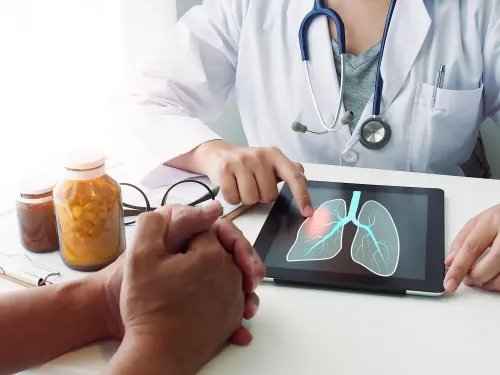
Subtype diagnosis is essential for an accurate diagnosis and advanced pathology testing of an excised lymph node biopsy is required. Inquire whether Immunohistochemistry (IHC) or flow cytometry or molecular diagnostics (e.g. gene rearrangement testing using FISH) have been used to help select a personalized drug.
4. What imaging and bone marrow evaluations are necessary for accurate staging?
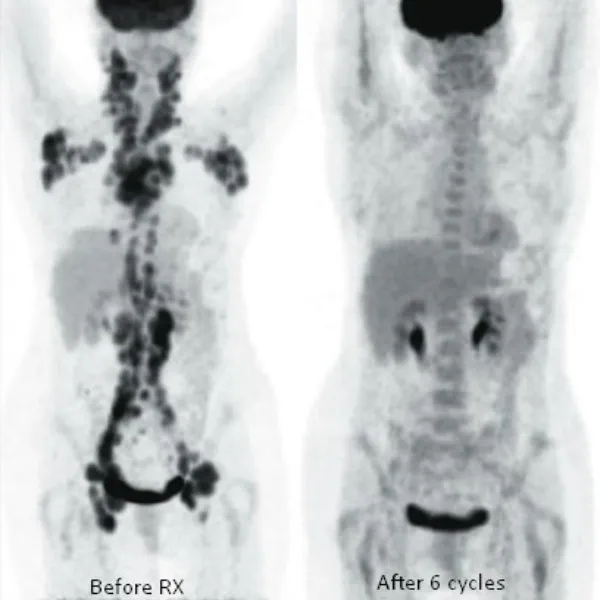
Therapy intensity is based on an accurate staging. Ask if a baseline PET-CT scan is required to inform about spread of lymphoma in the body (lymphatic and extranodal involvement) and whether a bone marrow biopsy is recommended to assess marrow involvement.
What is the normal treatment approach for my type of cancer and what is the purpose of that?
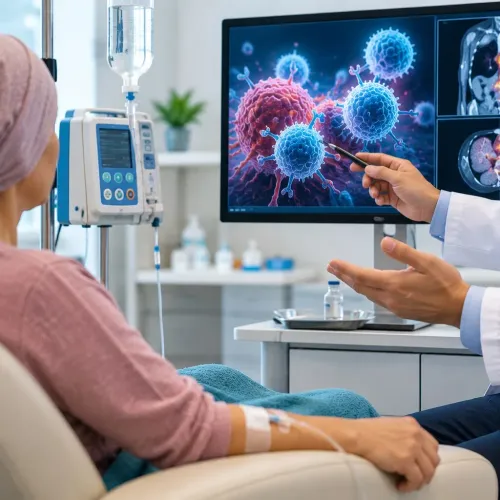
Lymphoma can be highly treatable, and often curable, even in later stages of the disease. Inquire with the doctor about the treatment goal (whether curative chemo-immunotherapy, for example, R-CHOP; disease management; or palliative care) and if there are any targeted treatments or clinical trials available.
Is it safe to have chemo-immunotherapy infusions in a day-care facility, Dombivli?
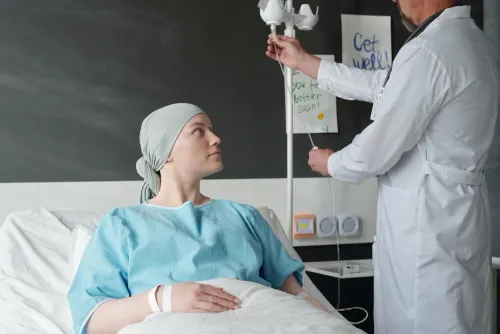
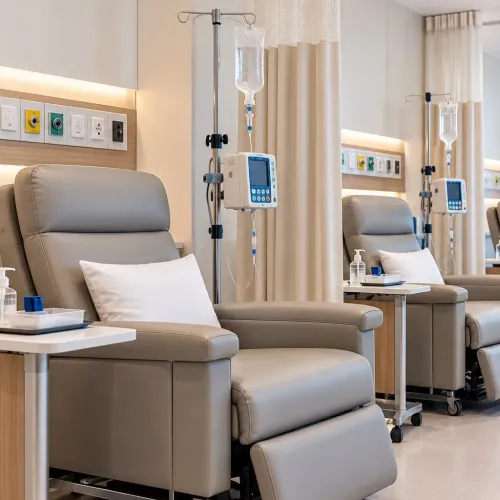
Patients may become fatigued with multiple hours of IV infusions, if required. Check if the local clinic has a new daycare chemo unit with specialized oncology nursing care, infection-control measures and emergency care.
What are done about potential side effects, infections and low numbers of blood cells?
Lymphoma treatments directly affect the immune system, and may lead to low numbers of white blood cells (neutropenia) and to infection. Ask if there are any measures that can be taken to prevent any fever (e.g., growth factor injections/G-CSF), and clarify the emergency protocol in place at home.
Will my case be reviewed by a multidisciplinary oncology board?Collaborative discussion is helpful for complex or refractory cases. Do your doctor meet with a Tumor Board (a group of hematopathologists, radiation oncologists, and nuclear medicine specialists) to reach a consensus on how to treat the disease? What is the follow-up and/or response monitoring plan for the long term?The knowledge of how recovery is going to be assessed can ease anxiety. Inquire about the next PET-CT scan date to determine the response to treatment's effectiveness, and explain the follow-up protocol after the treatment is successfully completed.
10 What financial and financial or insurance supports are there for special medicines?
Expensive advanced immunotherapies and monoclonal antibodies are available. Ask if the clinic works on cashless treatment with TPA insurance or has corporate tie-ups or any special schemes to ensure smooth and economical treatment.
The specialist may have the following questions for you: In your experience, what are your specialties in the treatment of blood cancers and lymphoma?Check if your doctor is a Medical Oncologist or a Clinical Hematologist (MD/DNB etc) who has special training and experience in hematologic malignancies. Such doctors have undergone training at leading regional institutions like Tata Memorial Hospital or the best government hospitals and have experience in treating complex blood cancers.
2. Am I suffering from Hodgkin's or Non-Hodgkin's lymphoma (NHL) and what type of Non-Hodgkin's lymphoma (NHL) do I have?
Lymphoma is not one disease, but a group of diseases. More than 70 subtypes have been identified some of which are indolent (slow-growing) and some are aggressive (such as Diffuse Large B-Cell Lymphoma). The precise histological classification indicates the need for immediate systemic therapy, targeted antibodies or active surveillance.
3 My biopsy has been done using Immunohistochemistry (IHC) or flow cytometry?
Subtype diagnosis is essential for an accurate diagnosis and advanced pathology testing of an excised lymph node biopsy is required. Inquire whether Immunohistochemistry (IHC) or flow cytometry or molecular diagnostics (e.g. gene rearrangement testing using FISH) have been used to help select a personalized drug.
4. What imaging and bone marrow evaluations are necessary for accurate staging?
Therapy intensity is based on an accurate staging. Ask if a baseline PET-CT scan is required to inform about spread of lymphoma in the body (lymphatic and extranodal involvement) and whether a bone marrow biopsy is recommended to assess marrow involvement.
What is the normal treatment approach for my type of cancer and what is the purpose of that?
Lymphoma can be highly treatable, and often curable, even in later stages of the disease. Inquire with the doctor about the treatment goal (whether curative chemo-immunotherapy, for example, R-CHOP; disease management; or palliative care) and if there are any targeted treatments or clinical trials available.
Is it safe to have chemo-immunotherapy infusions in a day-care facility, Dombivli?
Patients may become fatigued with multiple hours of IV infusions, if required. Check if the local clinic has a new daycare chemo unit with specialized oncology nursing care, infection-control measures and emergency care.
What are done about potential side effects, infections and low numbers of blood cells?
Lymphoma treatments directly affect the immune system, and may lead to low numbers of white blood cells (neutropenia) and to infection. Ask if there are any measures that can be taken to prevent any fever (e.g., growth factor injections/G-CSF), and clarify the emergency protocol in place at home.
Will my case be reviewed by a multidisciplinary oncology board?Collaborative discussion is helpful for complex or refractory cases. Do your doctor meet with a Tumor Board (a group of hematopathologists, radiation oncologists, and nuclear medicine specialists) to reach a consensus on how to treat the disease? What is the follow-up and/or response monitoring plan for the long term?The knowledge of how recovery is going to be assessed can ease anxiety. Inquire about the next PET-CT scan date to determine the response to treatment's effectiveness, and explain the follow-up protocol after the treatment is successfully completed.
10 What financial and financial or insurance supports are there for special medicines?
Expensive advanced immunotherapies and monoclonal antibodies are available. Ask if the clinic works on cashless treatment with TPA insurance or has corporate tie-ups or any special schemes to ensure smooth and economical treatment.
Keywords