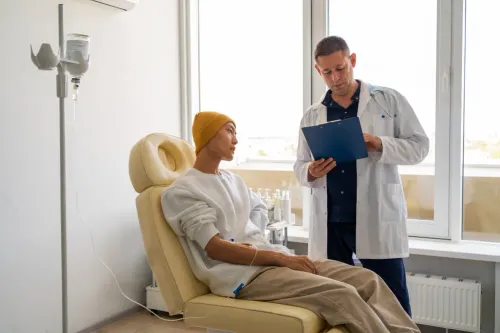

A lung cancer diagnosis does not automatically point to one treatment. Lung Cancer Treatment has become increasingly individualised, with decisions influenced by the exact type of lung cancer, disease stage, molecular characteristics and overall health of the patient.
This is particularly important because treatment options can include surgery, radiation therapy, chemotherapy, targeted medicines, immunotherapy or combinations of these approaches.
The First Question Is What Type of Lung Cancer Is It?
Lung cancers are broadly classified into different groups, and treatment decisions vary significantly between them.
Pathology establishes what type of cancer is present. Staging then helps determine how far the disease has progressed.
These two pieces of information form an essential starting point for treatment planning.
Why Molecular Testing Can Change Treatment
For appropriate patients, tumour testing can identify molecular alterations or biomarkers that may influence treatment selection.
Targeted therapy is designed to act on specific proteins or processes involved in cancer growth. In many situations, tumour testing is therefore necessary to determine whether an actionable treatment target is present.
This has changed the way some lung cancers are treated.
Instead of automatically giving the same systemic therapy to every patient with advanced disease, oncologists may use pathology and molecular information to identify suitable treatment options.
Where Does Immunotherapy Fit?
Immunotherapy helps the immune system act against cancer and has become an established treatment option for selected cancers and patients.
Whether it is appropriate depends on the clinical situation and relevant test results. It may sometimes be given alone and in other circumstances alongside another cancer treatment.
Patients should therefore avoid interpreting 'immunotherapy available' as meaning 'immunotherapy suitable for everyone.'
What About Chemotherapy?
Chemotherapy continues to have an important role in lung cancer management.
Depending on disease type and stage, it can be used in different settings and may be combined with other therapies. The selection and sequence of treatment should be based on the individual diagnosis.
Evaluating a Lung Cancer Treatment Plan
Patients consulting DR.Avinash Talele can prepare by bringing biopsy reports, imaging, molecular test results if already performed, medication lists and details of previous treatment.
Important questions include:
- What exact type of lung cancer is present?
- What is the stage?
- Is additional molecular testing required?
- Is the cancer potentially suitable for targeted therapy?
- Does immunotherapy have a role?
- What is the goal of treatment?
- How will treatment response be assessed?
Cancer Care for Patients Around Dombivli
People living in Dombivli, Palava, Kalyan, Thane, Bhiwandi, Badlapur and Ambernath may need repeated consultations, treatment sessions and scans over the course of care.
Having a clear treatment roadmap can help families coordinate these practical requirements.
Lung cancer treatment has evolved considerably, particularly through the use of molecularly guided therapies and immunotherapy for appropriately selected patients. The most useful starting point remains precise diagnosis and staging followed by a treatment strategy built around the characteristics of the individual cancer.
Keywords