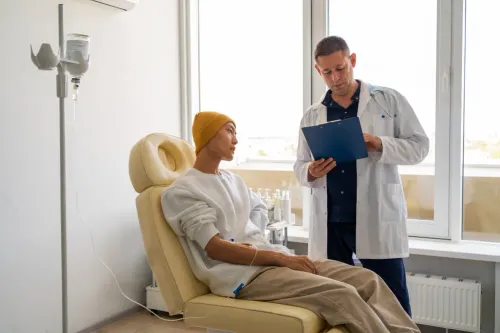

Here’s an overview of key points to raise awareness about lymphoma:
Symptoms of Lymphoma
- Swollen Lymph Nodes: Often painless and can occur in the neck, armpits, or groin.
- Unexplained Weight Loss: Significant loss of weight without a known reason.
- Fever and Night Sweats: Recurrent fevers and excessive sweating, especially at night.
- Fatigue: Persistent tiredness and lack of energy.
- Itchy Skin: Sometimes associated with lymphoma, though not common in all cases.
Risk Factors
- Age: Some types of lymphoma are more common in older adults, while others may affect younger people.
- Family History: A family history of lymphoma or other cancers may increase risk.
- Infections: Certain viral infections, like Epstein-Barr virus, can increase the risk.
- Autoimmune Diseases: Conditions like rheumatoid arthritis or lupus can elevate risk.
Diagnosis
Early diagnosis is key for effective treatment. Diagnosis typically involves:
- Physical Examination: Checking for swollen lymph nodes.
- Biopsy: Removing and analyzing tissue from lymph nodes or other affected areas.
- Imaging Tests: CT scans, PET scans, or MRIs to assess the extent of the disease.
- Blood Tests: To evaluate overall health and detect abnormalities.
Treatment Options
Treatment depends on the type and stage of lymphoma. Common treatments include:
- Chemotherapy: Uses drugs to kill cancer cells.
- Radiation Therapy: Targets cancer cells with high-energy rays.
- Targeted Therapy: Focuses on specific molecules involved in cancer growth.
- Immunotherapy: Enhances the body's immune response to fight cancer.
- Stem Cell Transplant: Replaces damaged bone marrow with healthy cells.
Prognosis
Prognosis varies based on several factors including the type of lymphoma, its stage at diagnosis, and the patient's overall health. Many people with lymphoma can achieve remission and live full lives with treatment.
Support and Resources
- Support Groups: Local and online groups offer emotional support and practical advice.
- Educational Resources: Organizations such as the Lymphoma Research Foundation and the Leukemia & Lymphoma Society provide information and resources.
- Clinical Trials: Research studies that test new treatments and may offer access to cutting-edge therapies.
Importance of Early Detection
Understanding the symptoms and risk factors of lymphoma can lead to earlier diagnosis and treatment. Encouraging awareness through education, community outreach, and personal health checks is vital.
Dr Avinash Talele-Best Medical Oncologist in Thane and Navi mumbai
Keywords