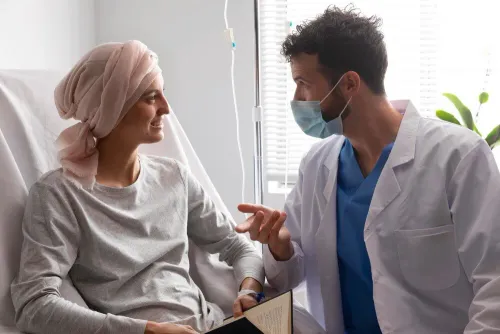

Starting chemotherapy can bring many practical questions. How is it given? How long does a session take? Will every patient experience the same side effects? Understanding the process beforehand can make Chemotherapy in Dombivli easier for patients and families to navigate.
Chemotherapy uses medicines to destroy cancer cells or stop their growth. It can be used for many cancers and may be given alone or alongside surgery, radiation therapy and other treatments. The exact purpose depends on the cancer type, stage and individual treatment plan.
Why Chemotherapy Is Recommended
Chemotherapy does not have the same objective in every cancer case. Depending on the diagnosis, it may be recommended to reduce the likelihood of cancer returning, shrink a tumour before another treatment, control cancer growth or relieve symptoms caused by advanced disease.
The oncologist determines whether chemotherapy is appropriate after reviewing factors such as:
- Type of cancer
- Stage and extent of disease
- Pathology findings
- Previous treatment
- General health
- Other medical conditions
- Expected benefits and potential risks
This is why two patients with apparently similar cancers may receive different treatment schedules.
What Happens Before Treatment?
Before chemotherapy begins, patients usually undergo an assessment to determine whether they are ready for treatment. Blood tests may be required, and additional investigations can be recommended depending on the medicines being used.
The oncologist also explains the proposed drugs, number of cycles, treatment intervals and possible side effects.
Patients should disclose all medicines and supplements they are taking. This gives the treating team an opportunity to identify potential interactions and provide appropriate instructions.
What Happens on Chemotherapy Day?
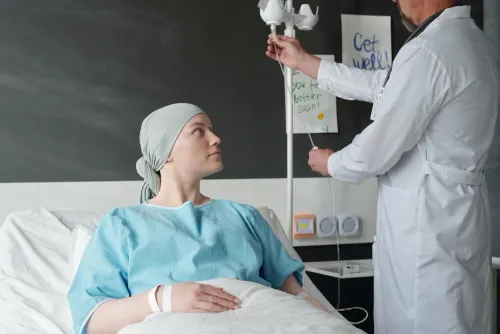
Many chemotherapy medicines are administered intravenously, although some cancer medicines are taken orally or delivered through other routes.
Treatment duration varies considerably. Certain infusions are relatively short, while others require several hours. Additional medicines may be given before chemotherapy to reduce problems such as nausea or allergic reactions.
Patients receiving treatment under DR.Avinash Talele should follow the schedule and pre-treatment instructions provided specifically for their regimen rather than comparing their experience with another patient's chemotherapy plan.
Are Side Effects the Same for Everyone?
No. Cancer treatment side effects vary between individuals, including among patients receiving the same treatment. Possible effects of chemotherapy can include fatigue, nausea, changes in appetite, hair loss, mouth problems, changes in blood cell counts and increased infection risk, depending on the medicines involved.
Nausea and vomiting can often be prevented or reduced using appropriate medicines.
Patients should report unexpected or significant symptoms to their treatment team rather than waiting until the next scheduled appointment.
Planning Chemotherapy Locally
For patients from Dombivli and surrounding Maharashtra locations such as Kalyan, Palava, Bhiwandi and Thane, treatment planning also involves practical considerations. Travel time, blood tests, follow-up appointments and support from family members may all influence day-to-day treatment arrangements.
Knowing the treatment schedule in advance can help families plan transportation, work responsibilities and recovery time between cycles.
Chemotherapy is highly individualised. Understanding why it has been recommended, what each cycle involves and which symptoms need attention can help patients participate more confidently in their treatment decisions.
Keywords